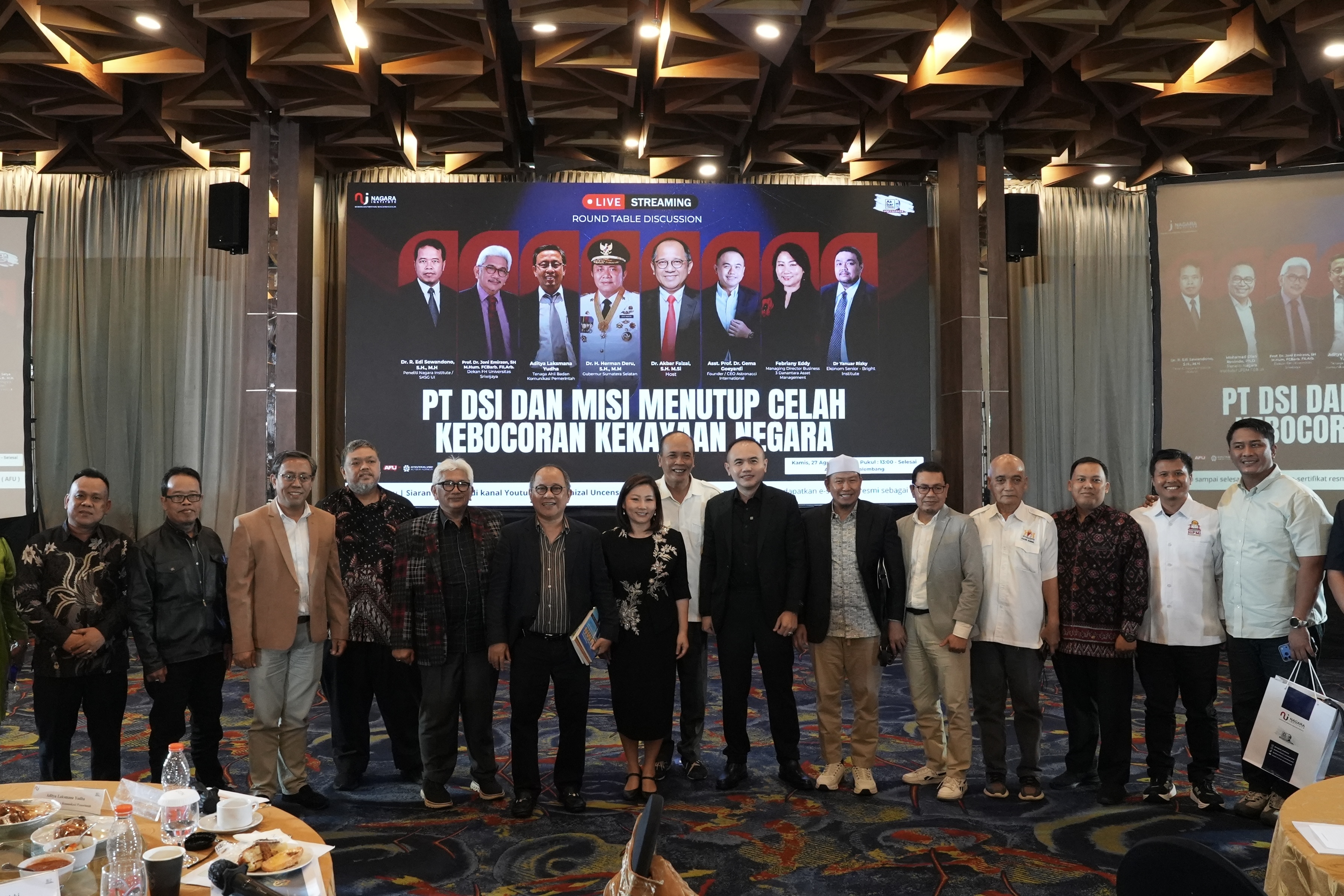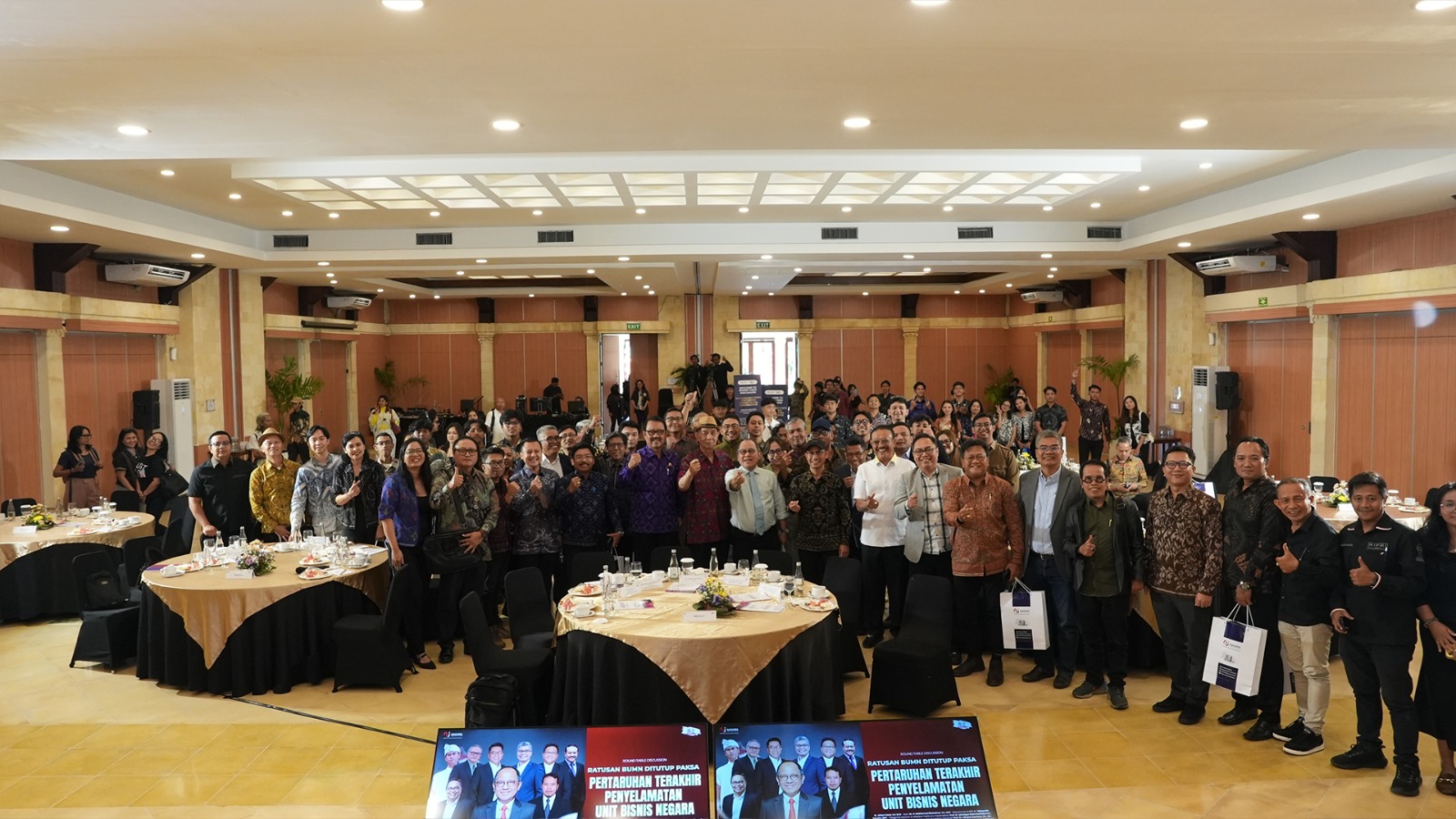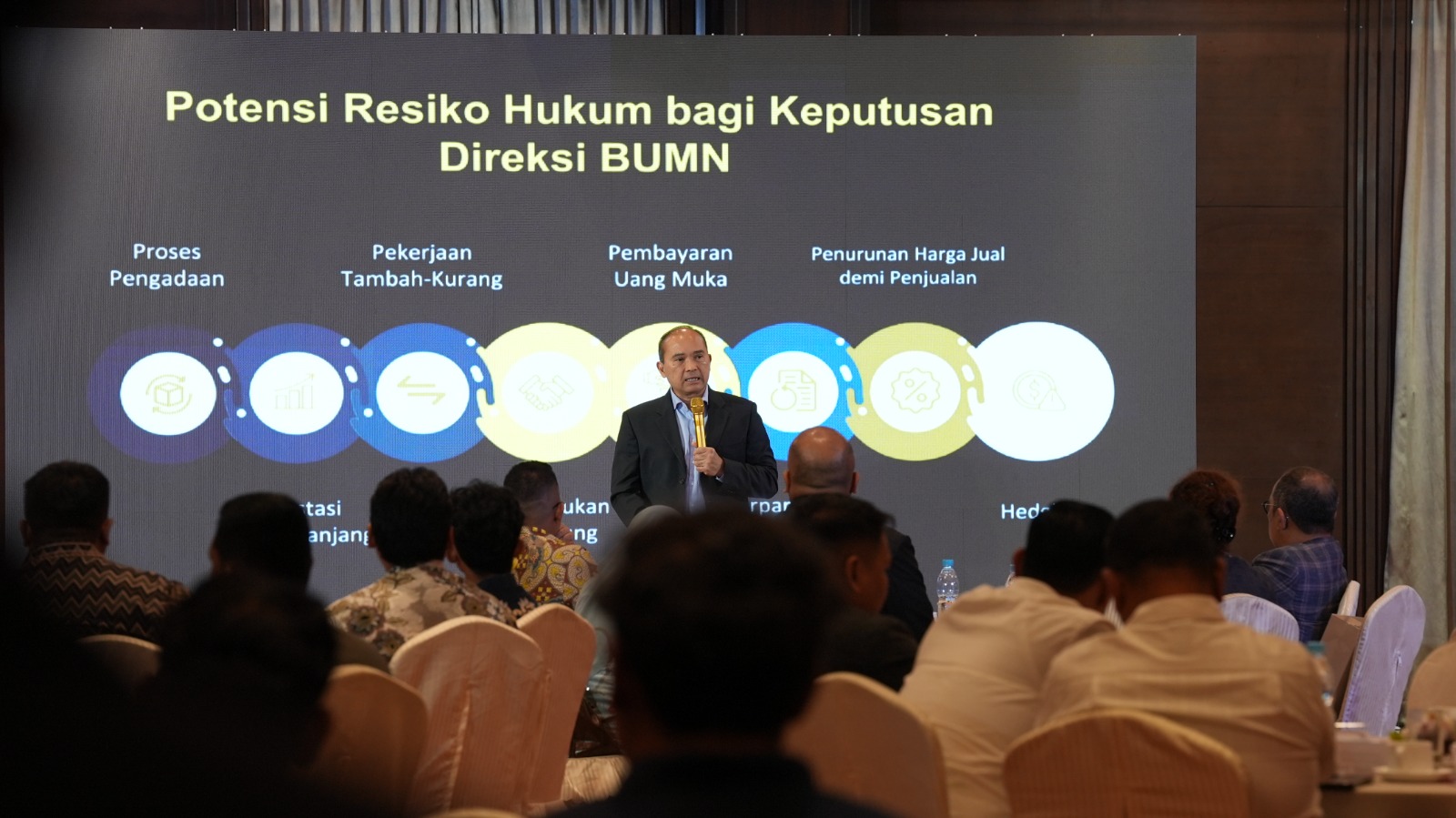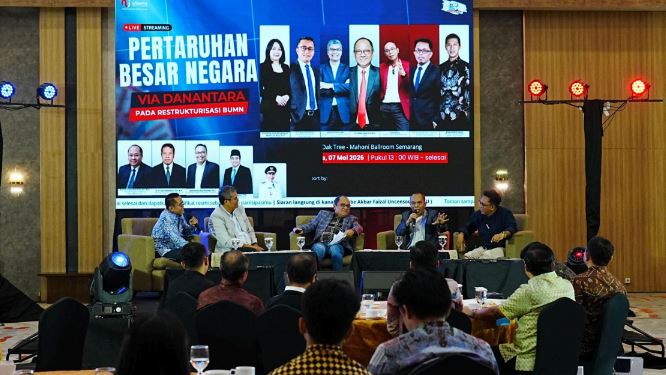
His search for the most suitable political framework for Indonesia continues to this day. His strong belief in democracy as the grand consensus of the nation’s founders has compelled him to take positions that were sometimes difficult and unpopular. The same spirit is also embodied in the political, democratic, and constitutional research institution he leads: Nagara Institute.
"Nagara Institute is an institute for political, democracy, and state affairs studies that was established in late 2019. The main activities of Nagara Institute are planning and carrying out various activities related to political, democratic, and state affairs studies.

The realization of a state system based on law and democratic values and upholding human dignity.
Delivering excellence and value through our comprehensive range of professional services tailored to your needs.
Conducting policy advocacy activities in the fields of politics, democracy and state to various institutions, both government and non-government bodies.
Stay informed with our latest analyses, research, and activities.
Amid the government's ambitious ambitions to accelerate coal downstreaming and achieve national energy independence, PT Danantara Development Management Fund's move to secure a massive deal has drawn critical attention. The most striking anomaly lies in the track record of its investment partner, a relatively young company with no proven commercial success on an industrial scale. According to corporate registration data with the United States Securities and Exchange Commission (SEC) and the financial data platform PitchBook, Latitude Energy Holdings Inc. was only officially established in 2025. With less than two years of operation, this Washington, D.C.-based entity has already been presented with an investment deal worth a staggering IDR 41 trillion (approximately US$2.5 billion).
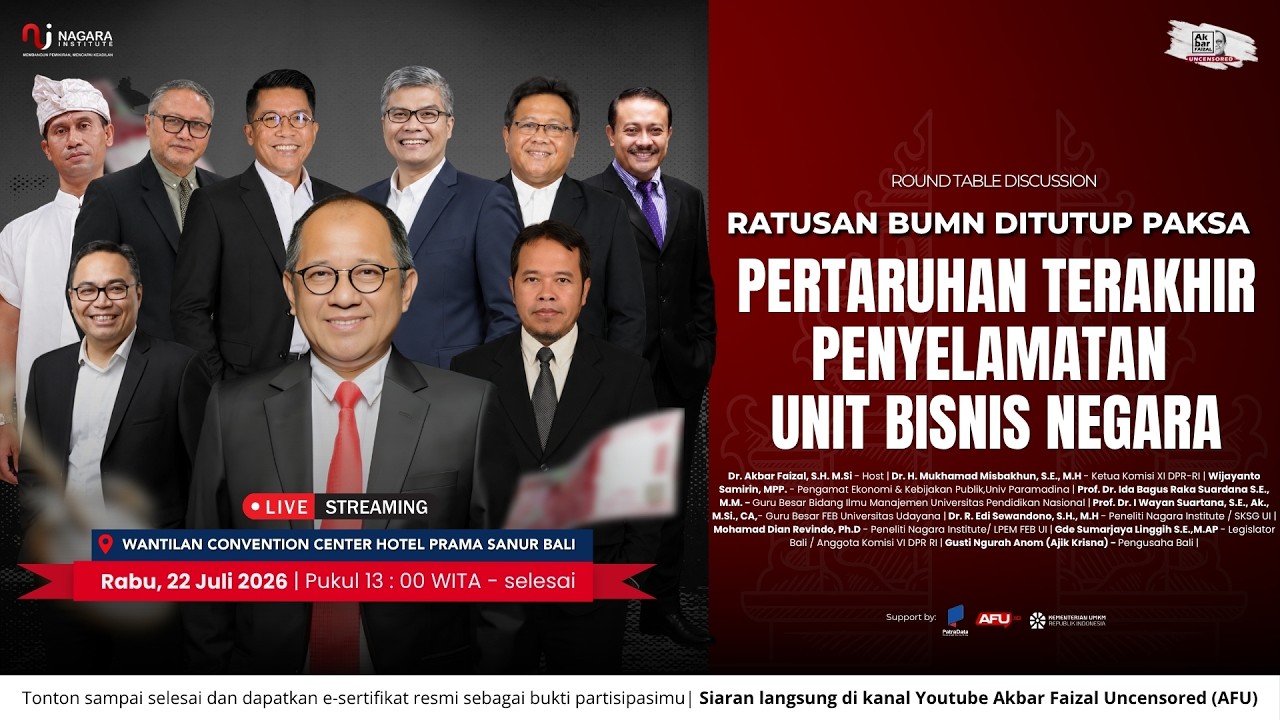
The Daya Anagata Nusantara Investment Management Agency (BPI Danantara)'s plan to reduce the number of State-Owned Enterprises (SOEs) from over 1,000 to around 200-300 core companies is one of the most ambitious transformation policies in the history of state asset management. This policy is believed to create healthier SOEs, focused on core businesses, and more competitive regionally and globally. This transformation encompasses not only a reduction in the number of companies but also a comprehensive overhaul of business models, organizational efficiency, and strengthening of corporate governance. It is hoped that this approach will increase the productivity of state assets while creating a more attractive investment environment for both domestic and international investors.
Regional governments (Pemda) have been identified as the source of the largest number of complaints regarding public service maladministration received by the Indonesian Ombudsman (RI), accounting for nearly 50 percent of all reports. This was stated by Rifqinizamy Karsayuda, Chairman of Commission II of the Indonesian House of Representatives, at the Ombudsman RI Opinion Entry Meeting: Assessment of Public Service Maladministration, Tuesday (July 14, 2026).
A glimpse of our journey and dedication in the field
Discover insights and updates from our team